As parents, we are constantly navigating a sea of advice, suggestions, and changing rules about how to raise confident, capable children. While emerging research in child development helps us better understand growing brains, it can still feel overwhelming to separate meaningful insights from well-intentioned trends that do not serve our families.
At Acorn Montessori School, we focus on a fundamental principle that has stood the test of time: children need freedom, and they need boundaries to experience that freedom safely.
Giving children meaningful choice respects their natural autonomy and recognizes that their lives are their own to live. However, freedom without structure is not independence—it is permissiveness. Real independence develops when children make choices within a secure, predictable framework.
Understanding Choice and Limits
Children test boundaries not to be difficult, but to see if the adults in their lives are consistent and dependable. Clear limits communicate safety, care, and security.
When setting up limits and choices for growing children, keep these dynamics in mind:
- Younger Children: Require fewer choices and firmer, more concrete limits to feel secure.
- Older Children: Require expanding choices and fewer rigid limits as they demonstrate responsibility and self-regulation.
- The Goal: Childhood provides a safe, low-stakes environment to practice decision-making, take risks, and learn from mistakes before facing full adult responsibility.
What "Freedom Within Limits" Looks Like in Our Classrooms
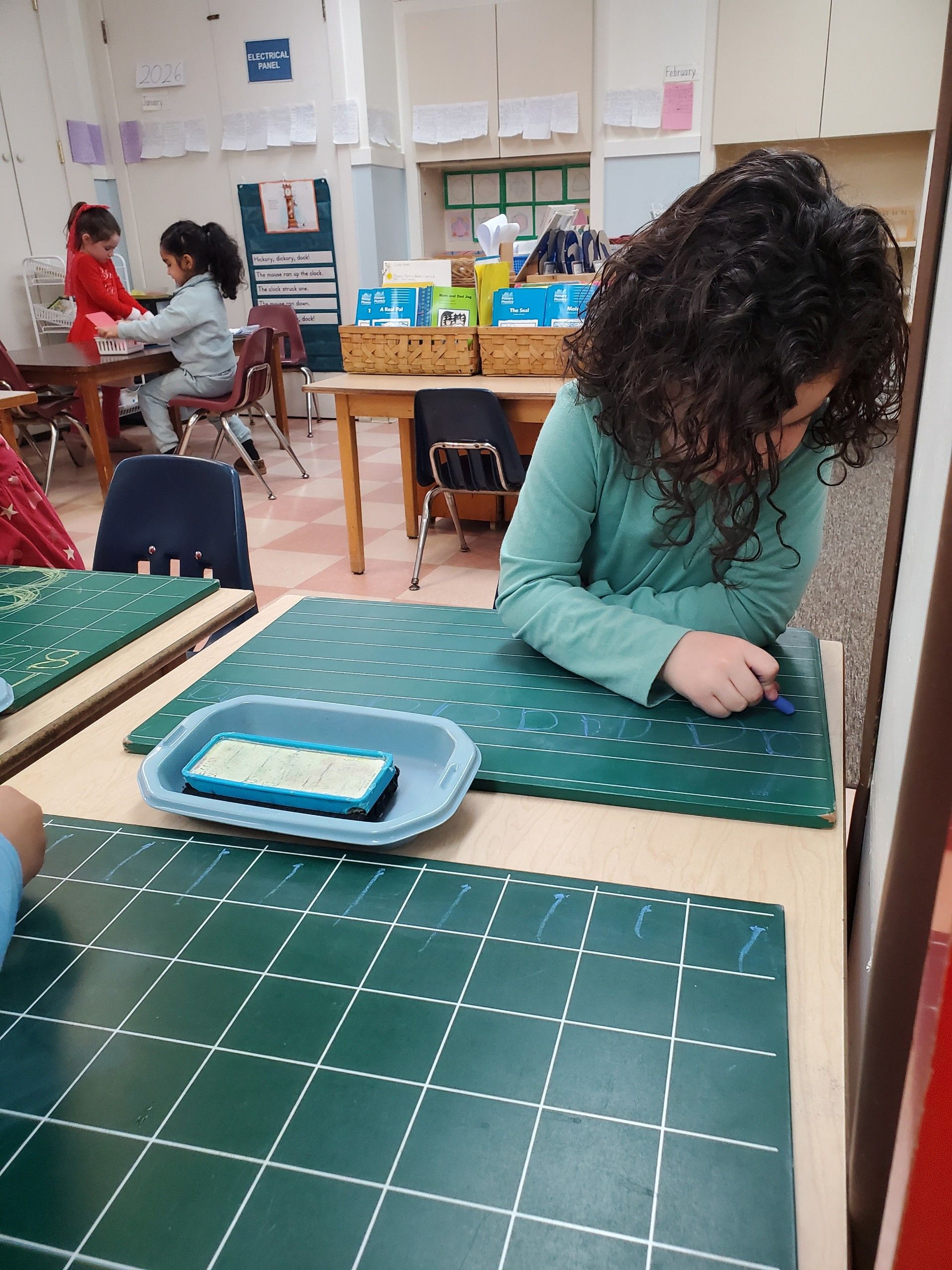
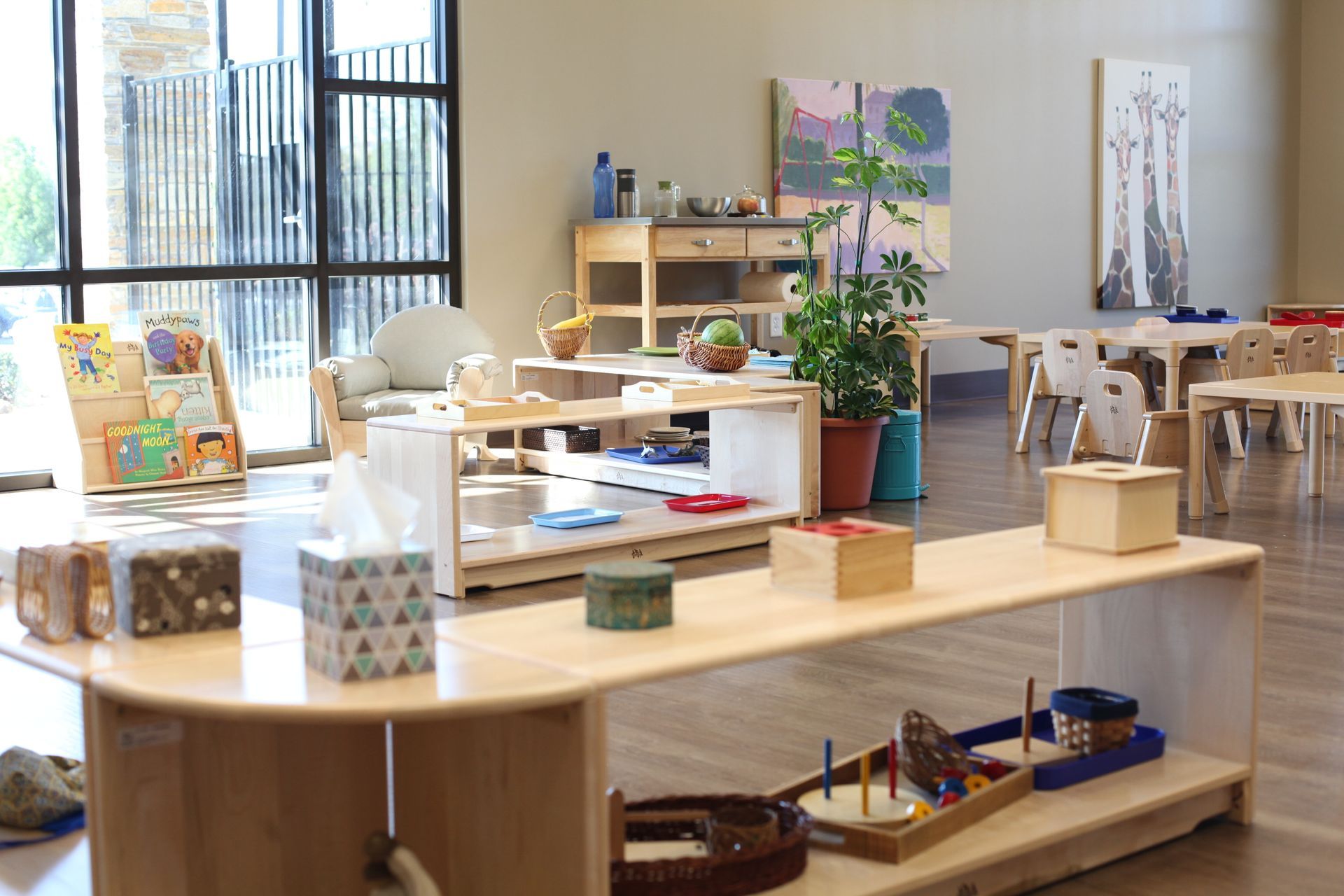
Our prepared environments are carefully organized to build independence while maintaining order and community respect:
- Thoughtful Layouts: Classroom furniture and shelves are intentionally placed to allow free movement while naturally discouraging running or chaotic transitions.
- Curated Materials: Shelves display specific, rotated activities. Children are free to choose from what is available, while items not ready for use are kept out of reach.
- Purposeful Community Spaces: Snack tables are sized for small groups (such as two children at a time) so students can socialize independently without disrupting the larger room.
- Self-Paced Work Plans: Older students use work plans to decide the order and pace of their assignments, balancing personal freedom with accountability for completing their tasks.
- Predictable Routines: Clear procedures—such as designated hall passes or class guidelines—allow children to care for personal needs like using the restroom without needing to interrupt lessons for permission.
Bringing the Balance Home
Shifting to a "freedom within limits" approach at home helps create a calm, cooperative household environment. Here are a few ways to apply these concepts:
- Offer Structured Choices: Instead of an open-ended question, offer two acceptable options. For instance, ask a toddler, "Would you like the blue shirt or the green shirt?" or ask an elementary child, "Would you like to complete your reading or take a shower first?"
- Separate Feelings from Behavior: Validate your child's emotions while holding firm boundaries on conduct. For example: "I see that you are angry, and it is okay to feel angry. It is not okay to yell at your brother. You can take a break on the rug or punch a pillow until you feel calm."
- Problem-Solve Together: When issues like screen time or bedtime routines arise with older children, hold a discussion during a calm moment. State your concern clearly, listen to their input, and collaborate on a rule you can both agree to follow.
Supporting Your Family Journey
Setting boundaries is an act of respect and care. When we provide clear limits paired with meaningful freedom, we give our children the foundation they need to become resilient, self-directed adults.
Would you like to see this in action? Schedule a campus tour today!