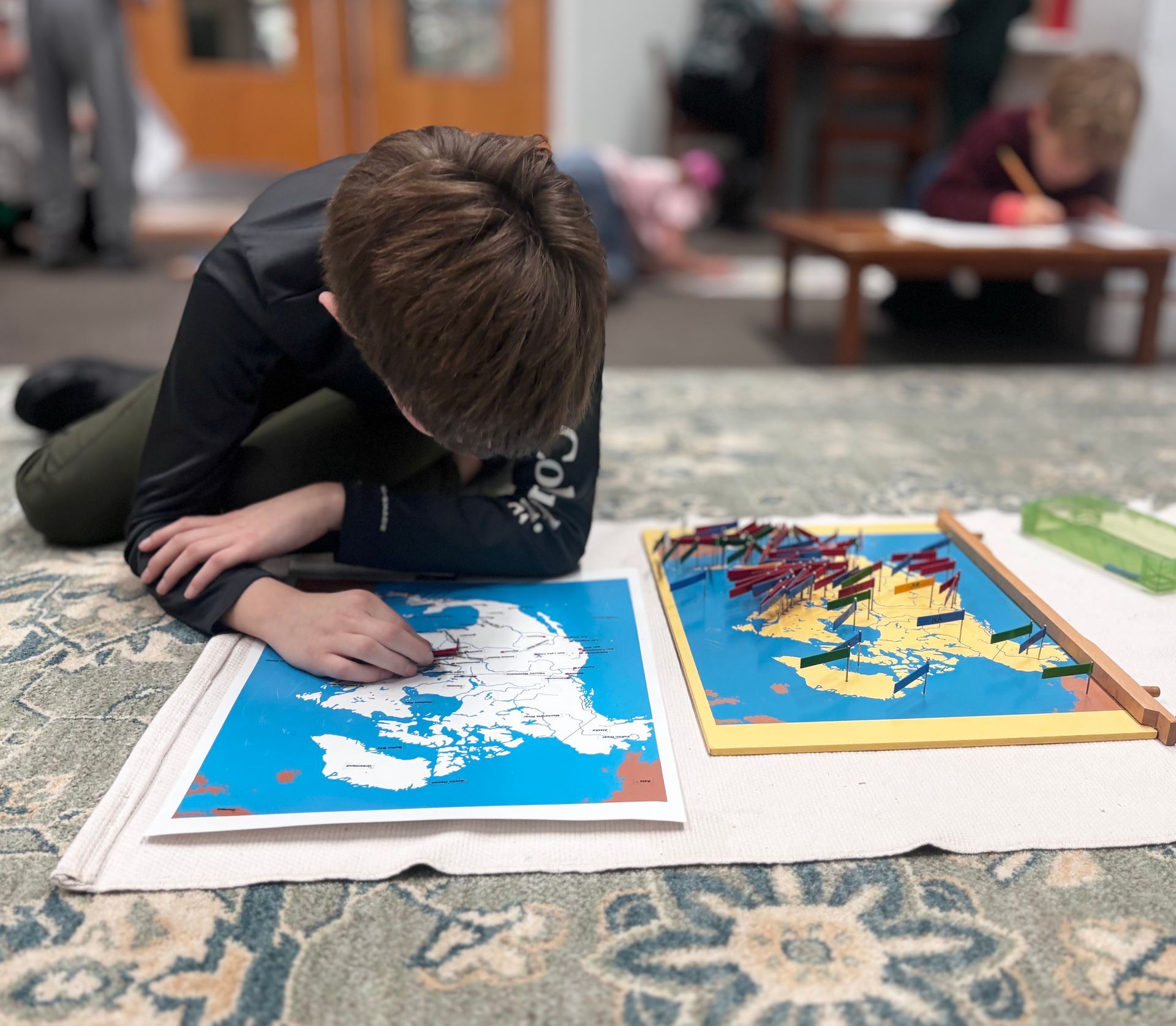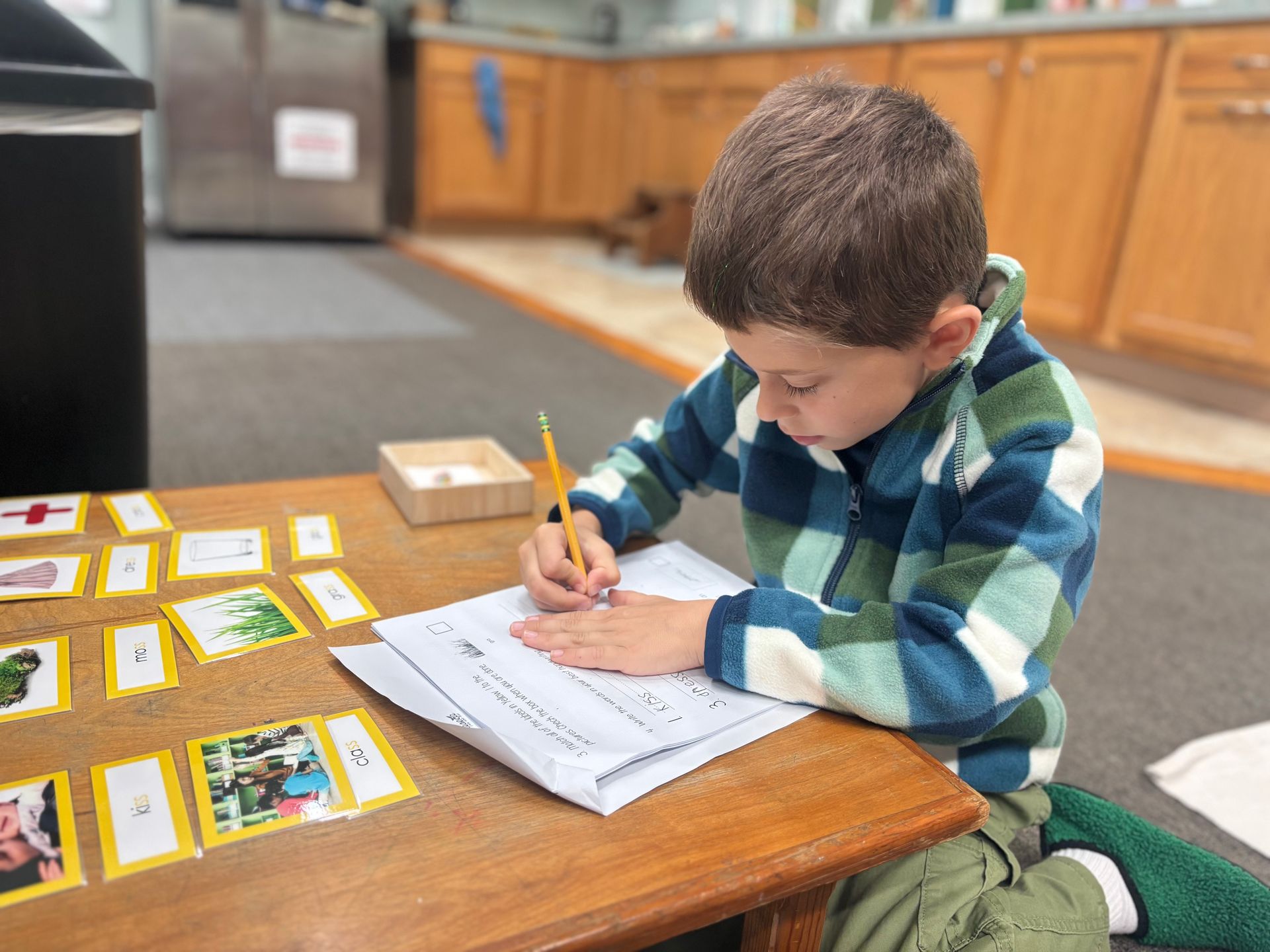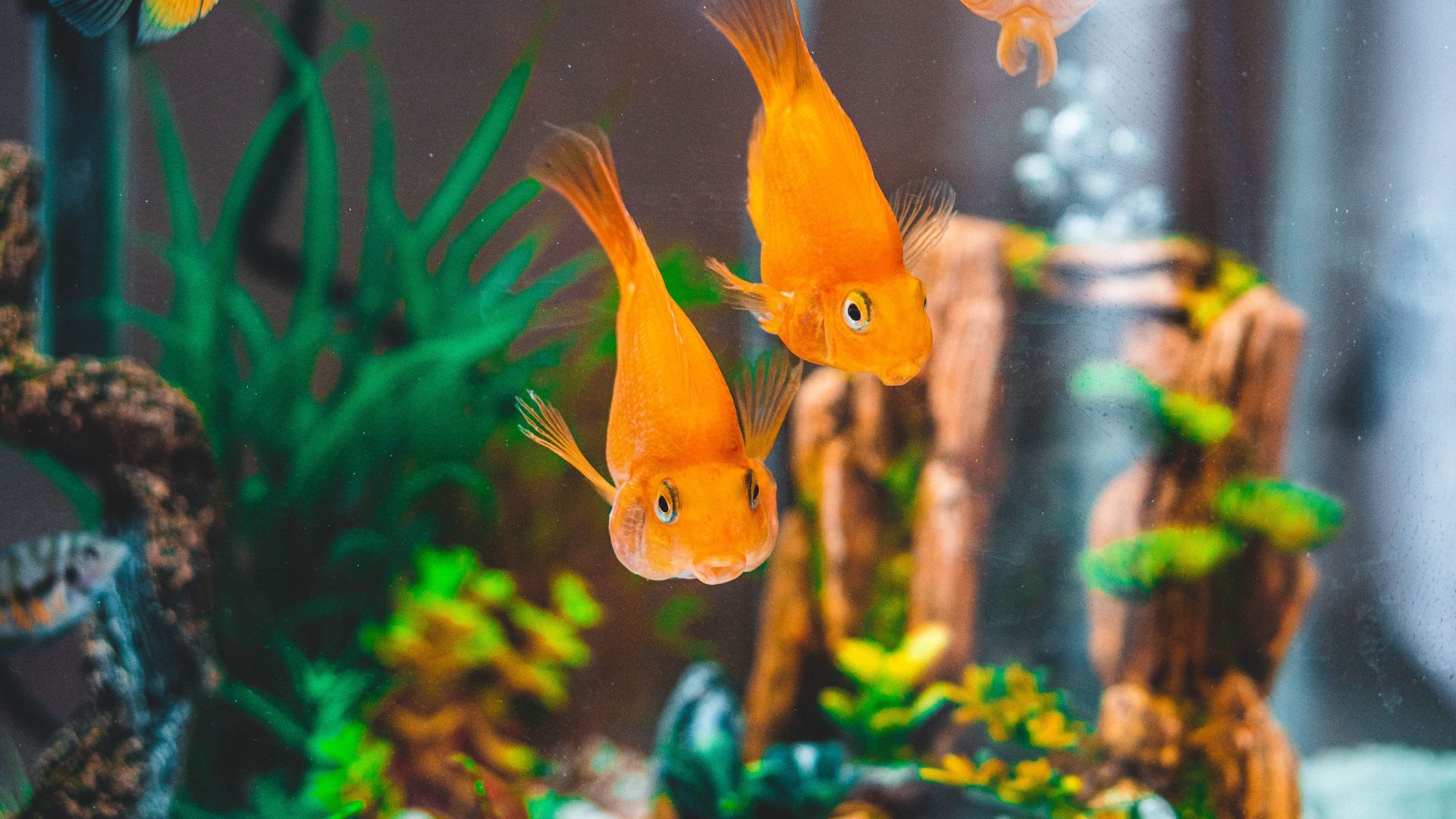
Montessori classrooms regularly include animals as an integral part of the learning community. When children have regular contact with the natural world—especially through the active care of living beings—they develop a deep reverence for life in all its forms.
As children learn to care independently for themselves, applying those same practical life skills to an animal fosters self-control, responsibility, and intuitive empathy. Becoming attuned to another creature's needs helps children extend grace, courtesy, and compassion across all their relationships.
Dr. Maria Montessori observed this natural bond firsthand:
"Children have an anxious concern for living beings, and therefore the satisfaction of this instinct fills them with delight. It is therefore easy to interest them in taking care of plants and especially of animals. Nothing awakens foresight in a small child, who lives as a rule for the passing moment and without care for the morrow, so much as this."
— Dr. Maria Montessori, The Discovery of the Child
Bringing Practical Life Pet Care Home
If you have pets at home, involving your child in their daily routine is a wonderful way to extend Montessori practical life principles beyond the classroom.
1. Daily Feeding & Watering
The simplest entry point is feeding and watering, which even our youngest Toddler students can participate in:
- Measure Portions in Advance: Prepare the exact amount of food in an easy-to-dispense, child-sized container. Place it on a tray at your child's eye level so they can carry it independently to the feeding area.
- Right-Sized Pitchers: Provide a small child-sized pitcher or measuring cup holding just enough water to fill a bowl or habitat reservoir without heavy lifting or large spills.
- Habitats & Small Pets: For fish, hermit crabs, or small rodents, prepare small containers or dishes that little hands can open and place directly inside the habitat.
2. Break Down the Steps
To set your child up for success, analyze the task from their physical perspective:
- Are the containers easy for small hands to open?
- Can they easily reach the top of the habitat or food bowl?
- Is the pathway clear of obstacles?
For younger children, keep the sequence to 2–3 simple steps. A laminated photo chart hung at eye level can serve as a visual guide. Older Primary and Elementary children can track their responsibilities using a daily dry-erase checklist.
3. Incremental Cleaning & Grooming
Caring for animals also involves maintaining their environment:
- Basic Maintenance: Young children can practice wiping feeding mats, washing food dishes, or sweeping up spilled kibble.
- Grooming & Health: Brushing a dog or cat, helping fill a wash basin, or misting a habitat enclosure allows children to take incremental ownership of an animal's well-being.
Observation, Grace, and Courtesy
Interacting with pets teaches children to read non-verbal cues and anticipate needs. Gentle touches, quiet approaches, and respectful handling are physical expressions of grace and courtesy.
- Creative Enrichment: Involve children in making simple pet items, such as crafting yarn toys for cats, recycling cardboard tubes for gerbils, or researching healthy, homemade dog treats.
- Deeper Research: For older Primary and Elementary students, care can extend into reading books about animal behavior, studying habitat ecosystems, or practicing gentle training techniques.
Ultimately, children thrive when given meaningful work. Caring for a living creature builds a profound sense of capability, self-trust, and connection.
Partnering with Acorn
If you would like inspiration or practical tips on setting up child-accessible pet care routines at home, reach out to your child's Guide! We are always happy to share how we care for living plants and animals within our Acorn classroom environments.
We would love for you to come and experience grace and courtesy in our Montessori environments.
Schedule a tour!