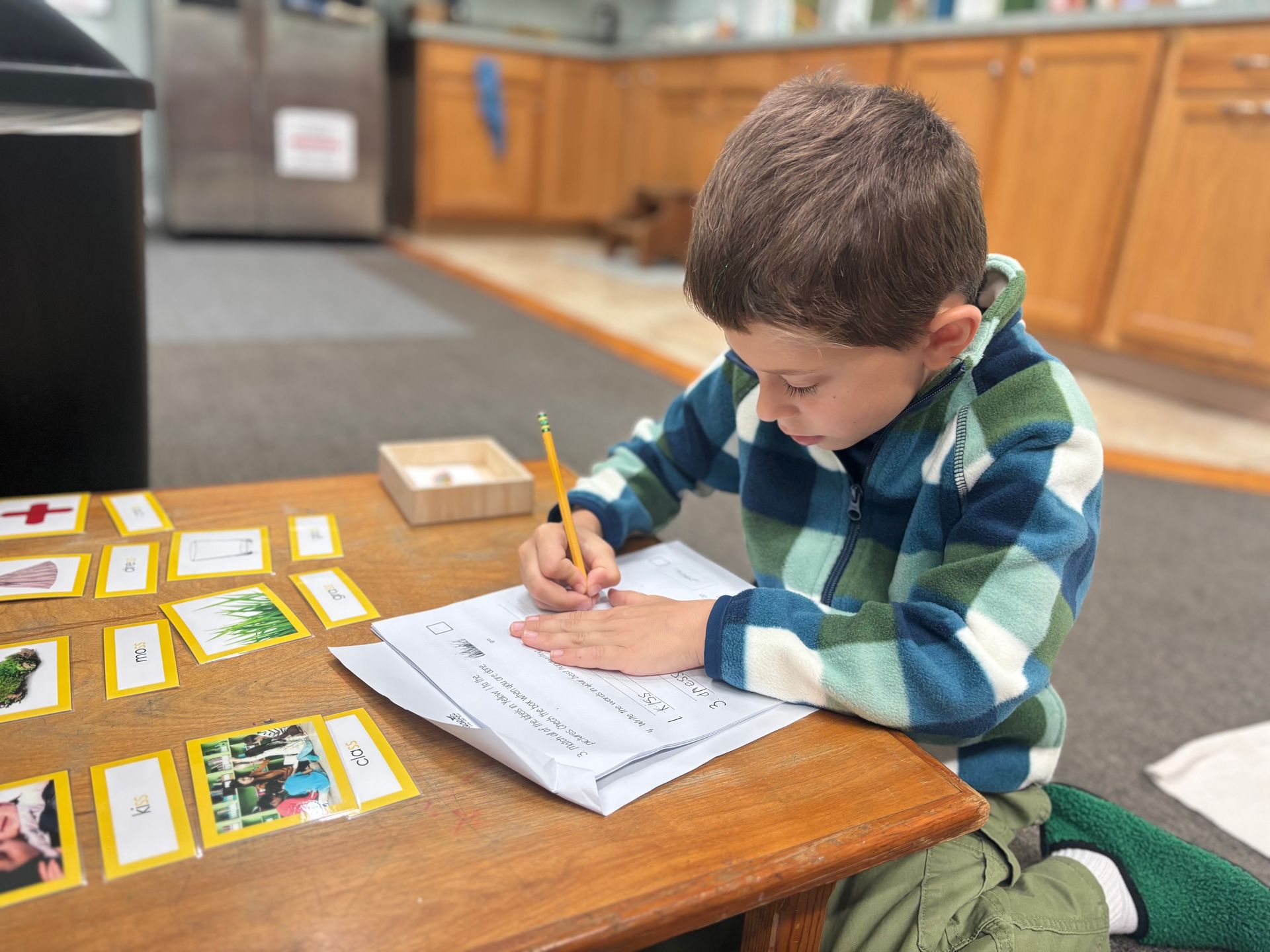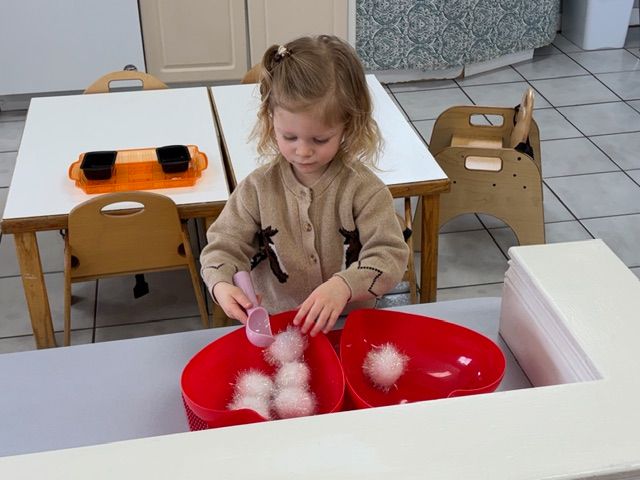
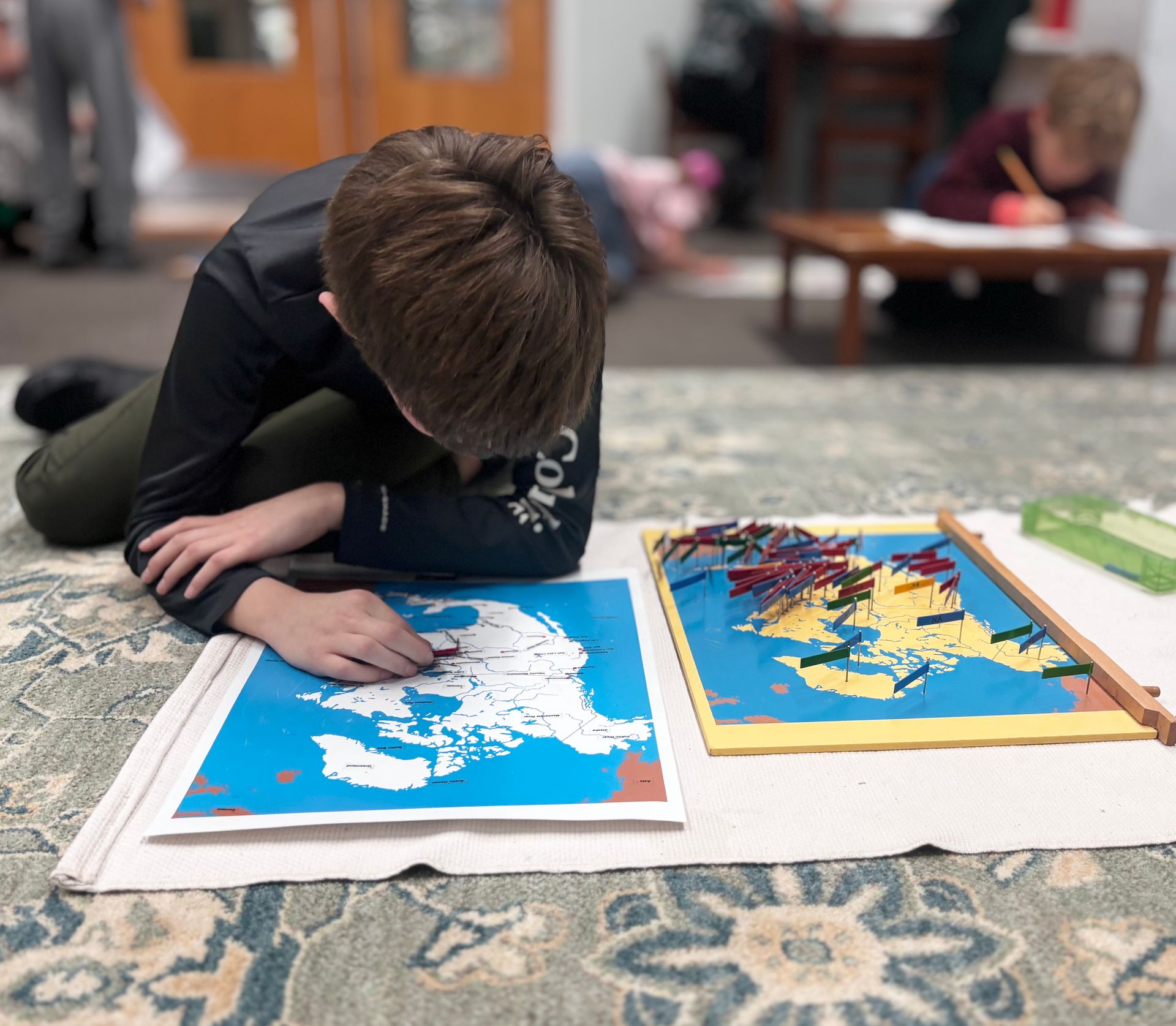
When children enter a Montessori Elementary environment around age six, they undergo a profound transformation. While toddlers and primary children explore their world through direct physical and sensory interaction, elementary students expand their exploration using intellect, abstraction, and imagination.
At this stage, the study of geography transforms into something far grander than memorizing capitals or coloring maps. It becomes an entry point into the story of the universe.
The Age of "Why?"
Elementary-age children are fascinated by scale—drawn naturally to the largest stars, the smallest particles, and extreme natural phenomena. They are not content with simple facts; they want to know why:
- Why do seasons differ in the Northern and Southern Hemispheres?
- How did water cut through solid rock to carve the Grand Canyon?
- Why do ocean currents shape weather patterns thousands of miles away?
This internal drive to understand relationships and function propels them into deep scientific inquiry.
Starting with the Big Picture: Cosmic Education
Rather than presenting isolated fragments of information, our Elementary curriculum introduces The Universe as the starting framework.
By presenting the big picture first, children gain an overarching context. They begin to see order, harmony, and the interconnectedness between the physical earth, ecosystems, and human history.
Dr. Maria Montessori captured the power of this approach:
"If the idea of the universe be presented to the child in the right way, it will do more for him than just arouse his interest, for it will create in him admiration and wonder... The child's mind then will become fixed and can work... because of the vision of the whole that has been presented to him."
Constructing Understanding Through Discovery
True understanding does not come from passive listening or adult explanations. In an Acorn Elementary classroom, Guides present key impressions, stories, and simple scientific experiments that spark curiosity. We give children "keys to the universe"—providing just enough structure and inspiration for them to ask questions and seek answers independently.
Because subjects are fully integrated rather than divided into artificial periods, geography acts as a bridge connecting multiple disciplines:
- Space & Astronomy: Exploring the sun, solar system, and rotational forces.
- Physical Sciences (Physics & Chemistry): Investigating the nature of elements, air, water, and states of matter.
- Earth Sciences (Geology & Meteorology): Studying the composition of the earth, tectonic forces, erosion, and climate zones.
- Human & Economic Geography: Examining how humans adapt to their environments, meet fundamental needs, and rely on global stewardship.
Inspiring Lifelong Curiosity
Through impressionistic charts, hands-on scientific demonstrations, and self-directed research projects, children do not just study geography—they construct a working model of the world in their own minds.
This integrated approach generates active, self-renewing interest, laying the foundation for academic rigor, environmental stewardship, and a lifelong love of learning.
Ready to See Cosmic Education in Action?
Experience how our Elementary classrooms nurture deep curiosity, independent research, and academic excellence. We invite you to schedule a campus tour today!