At Acorn Montessori School, we often talk about "Education for Life." This isn't just a catchy phrase; it is rooted in Dr. Maria Montessori’s scientific observations of how children actually grow. One of the most vital—yet often misunderstood—aspects of this journey is the Capstone Year.
Whether it is the final year of the Primary cycle (Kindergarten) or the culmination of the Elementary years, these years are when everything clicks.
Understanding the Planes of Development
Dr. Montessori observed that children don't develop in a straight line, but in distinct six-year "planes." Each plane is a journey of self-construction where the child builds the person they are meant to become.
- The First Plane (Ages 0–6): The period of the "Absorbent Mind." Children move from the total dependence of infancy to the functional independence of a six-year-old.
- The Second Plane (Ages 6–12): The period of the "Reasoning Mind." Children move from concrete learning to abstract thought and a deep interest in social justice and the world at large.
The transition between these planes—around age six and age twelve—is so profound that Montessori described it as a "rebirth."
The Biological Shift: More Than Just Missing Teeth
You can see the change happening. Around age six, the "toddler" look vanishes. Their teeth begin to fall out, their hair texture changes, and their limbs grow long and lanky. Similarly, at twelve, they stand on the precipice of adolescence.
Biologically, these children are undergoing massive hormonal and neurological shifts. Because they look older, the world often pushes them into new, high-pressure environments too quickly. At Acorn, we do the opposite. We provide environmental stability. By staying in a familiar environment during these volatile biological shifts, children can use their energy for intellectual and emotional consolidation rather than the stress of navigating a brand-new school system.
Why the Capstone Year is Different at Acorn
In a conventional setting, a Kindergartener is the "baby" of an elementary school. At Acorn, they are the leaders of the Primary community.
1. Mastery through Teaching
Our oldest students (the 6- and 12-year-olds) know our routines, our campus, and our values deeply. When they help a younger peer with a math material or guide a friend through a conflict, they aren't just being "helpful"—they are reinforcing their own mastery. You don't truly know a concept until you can teach it.
2. Social and Emotional Integration
Because they aren't struggling to "fit in" to a new building, they can focus on big, challenging projects. They have the safety to take risks. This builds a level of self-confidence that is unshakeable because it is earned through years of work in a supportive community.
3. The "Aha!" Moment
The Capstone Year is the final piece of the puzzle. It is the year where all the previous lessons—sensorial, academic, and social—integrate into a cohesive whole. Moving a child before this final year is like reading a mystery novel and closing the book ten pages before the ending; they miss the satisfaction of the "climax" where all the threads come together.
See the Capstone in Action
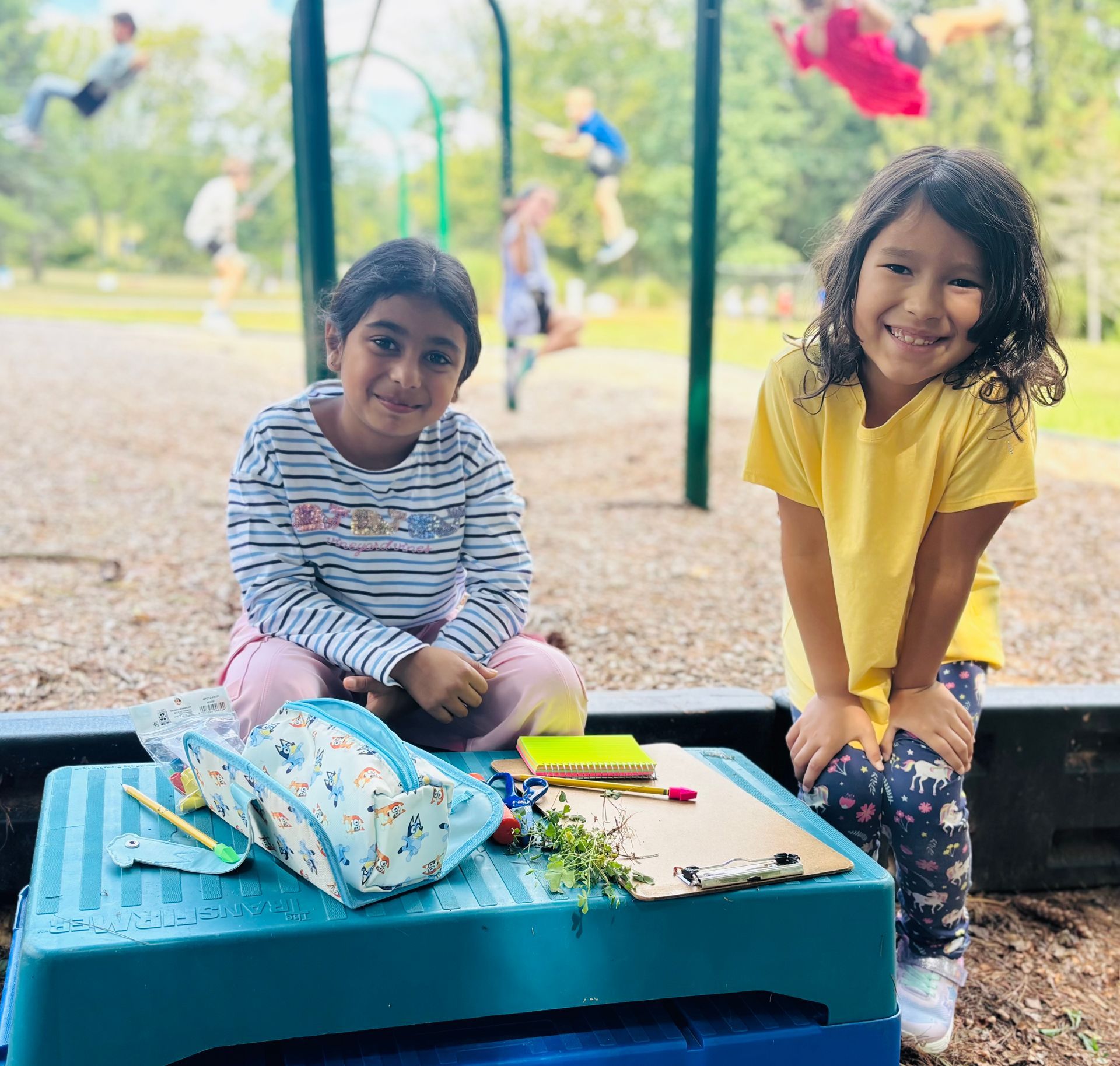
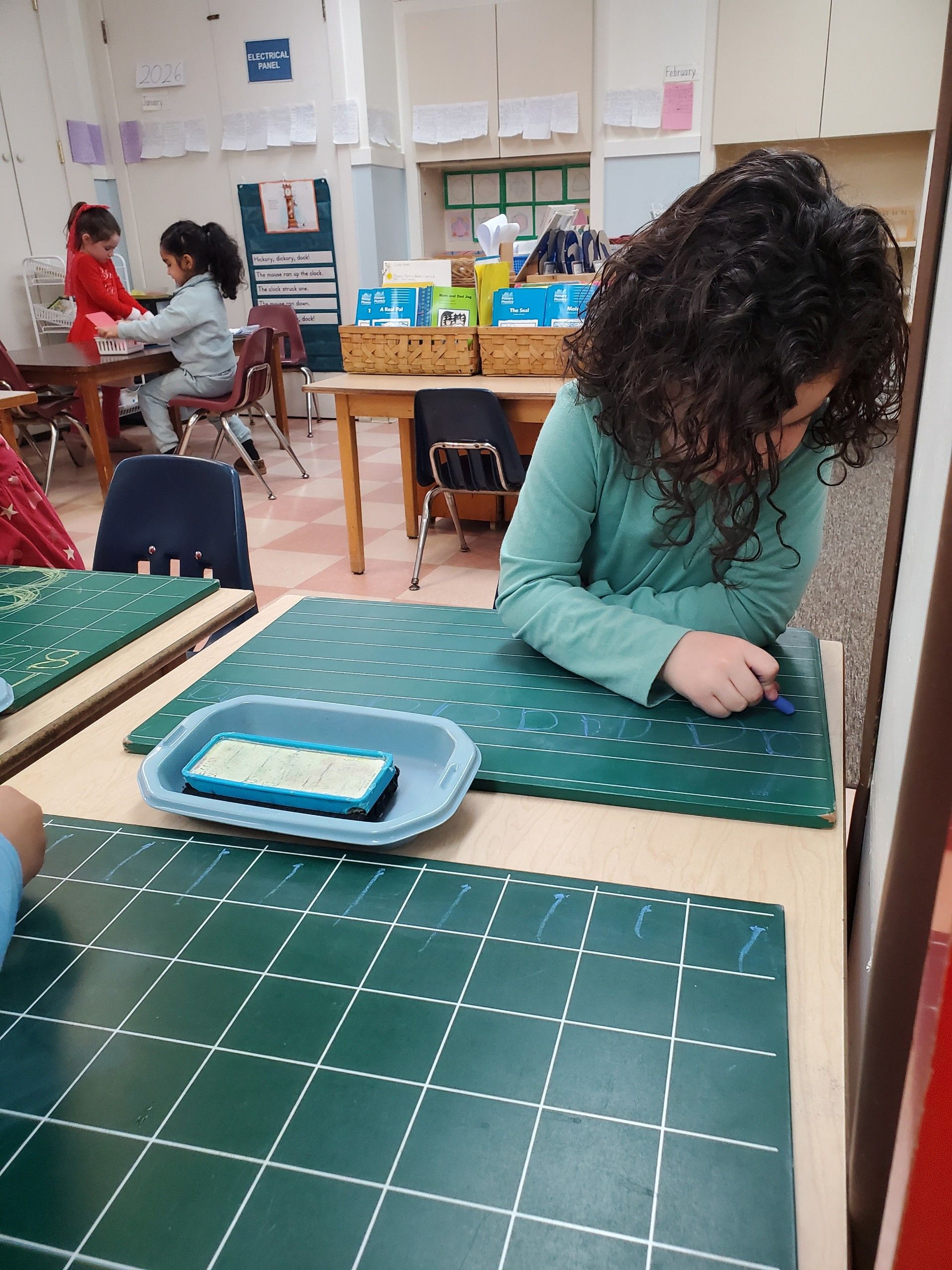
We intentionally design our mixed-age classrooms to honor this internal growth. We invite you to visit our beautiful five-acre campus to see our Capstone leaders in action—guiding others, diving deep into their work, and stepping into their greatness with confidence.
If you think your child would thrive in this environment, please schedule a tour. We would love for you to visit our school and learn more.
Next Steps for Acorn Families:
- Primary Parents: Join us for our next "Transition to Elementary" information session to see how the Kindergarten year prepares your child for the Second Plane.
- Elementary Parents: Learn more about our specialized Montessori Math and Language summer sessions to keep that Capstone momentum going.