The warm weather is finally upon us! As spring takes hold across our beautiful five-acre campus in Lebanon, many of us are shifting our thoughts to the outdoors and our gardens. Whether you are new to gardening or have cared for plants for years, gardening with your children is a quintessential Montessori experience that fosters independence, patience, and a deep respect for the Earth. It is not too late to get started! Here is how you can bring the joy of the garden to your home this season.
Planning the Space
Whether you live in a cozy apartment or have a sprawling backyard, there are many ways to start a family garden. The first step is deciding what fits your family’s lifestyle and how much time you can realistically commit to plant care.
- Container Gardens: These fit perfectly on porches or decks. If you are short on space or time, starting with a few pots of herbs or flowers is a rewarding way to introduce your child to the life cycle of plants.
- Raised Beds: For those looking to go bigger, raised beds keep things manageable and tidy. You can build these simply with untreated cedar or find ready-to-use kits online. For beginners, starting with one or two small beds (roughly 4' x 7') filled with a quality soil and compost mix is a great entry point.
Acorn Tip: Consider your water source. Make sure your garden is close enough to a hose or rain barrel so that your child can easily help with watering without it becoming a difficult chore.
Selecting Plants: A Lesson in Choice
This is where children can truly take the lead. Take a trip to a local nursery together, but have a few categories in mind beforehand:
- The Sensory Garden: Focus on fragrant flowers or soft-textured leaves (like Lamb’s Ear).
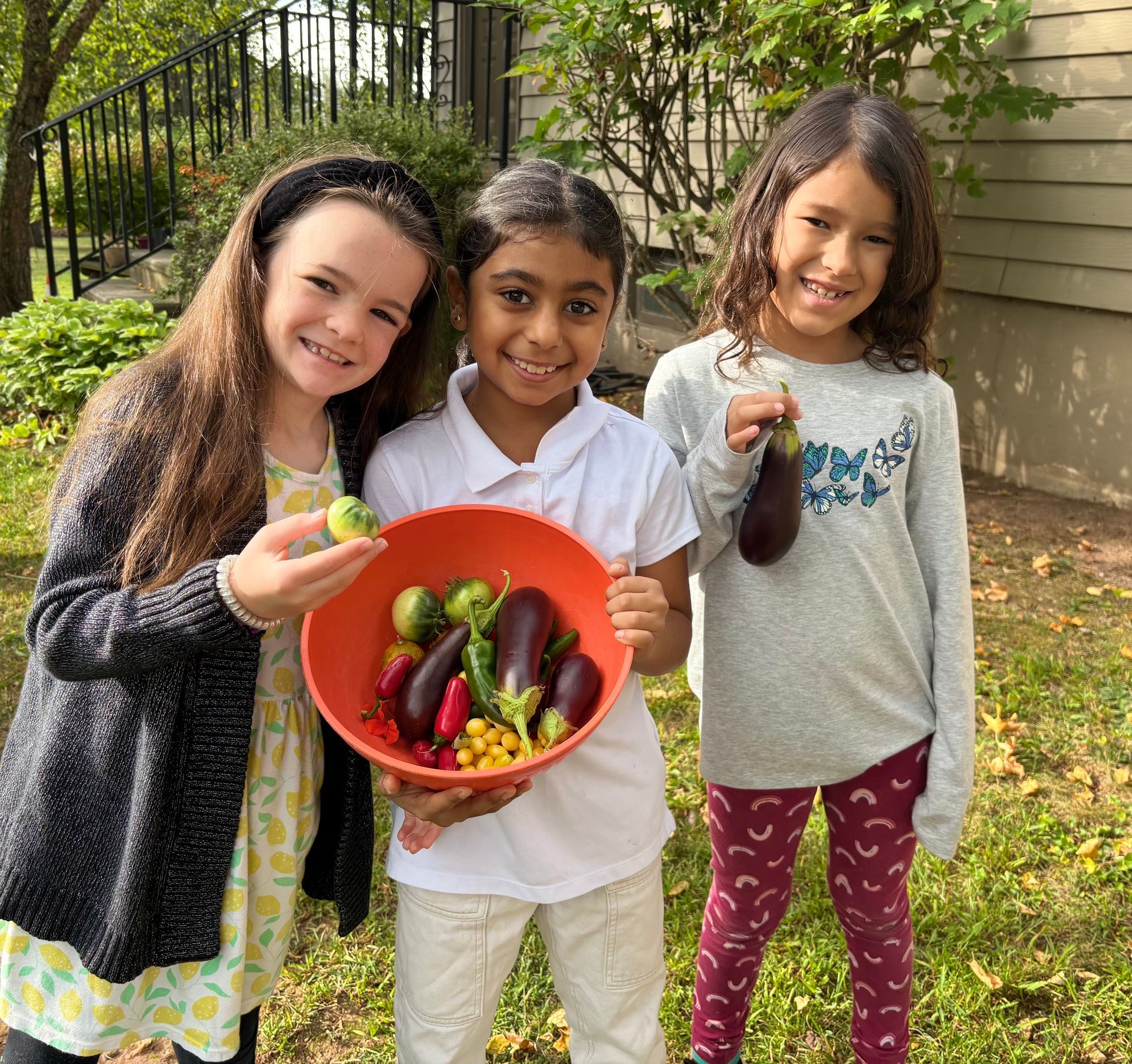
- The Edible Garden: Snap peas, cherry tomatoes, and strawberries are favorites for children because they can be eaten right off the vine.
- The Chef’s Garden: Fresh basil, parsley, and mint are easy to grow and can be used in your kitchen immediately.
Connection to the Table: If you have a picky eater, encouraging them to choose a vegetable they usually shy away from can be a game-changer. When a child nurtures a plant from seed to harvest, they feel a deep sense of pride. They are much more likely to try a zucchini they grew themselves!
Care and Maintenance
In the Montessori classroom, we call this "Care of the Environment." It teaches children that living things depend on our consistent effort.
- Watering: Water early in the morning or late in the day to prevent the sun from overheating the roots.
- Mulching: Using straw or wood chips helps hold moisture in and keeps weeds at bay.
- Weeding: This is a great practical life skill. Teach your child how to identify the "visitors" (weeds) versus the "residents" (your plants). Don't worry if a few "residents" get pulled by accident—it’s all part of the learning process!
- Pest Control: Keep an eye out for local visitors like deer or rabbits. Discussing how to protect the garden humanely is a wonderful way to talk about local wildlife.
The Montessori Benefit
At Acorn, we believe that education is for life, and the garden is one of the best classrooms. Long before the first harvest, you will notice the benefits:
- Practical Life Skills: Digging, pouring, and weeding develop fine and gross motor skills.
- Scientific Inquiry: Observing the weather, watching for pollinators, and seeing how seeds sprout are the first steps toward a love of biology.
- Mindfulness: Gardening encourages us to slow down, breathe the fresh air, and connect with the rhythms of nature.
The harvest brings its own joy—whether it’s a vase of fresh blooms for your dining table or a handful of strawberries that disappear before they even reach the house. Happy Gardening!
Deepen Your Roots
If you’re looking for more information, we recommend
Rodale’s Ultimate Encyclopedia of Organic Gardening. And, of course, we invite you to
come see our own outdoor environments at Acorn. Observing how our students interact with the natural world is a great way to find inspiration for your own home garden.