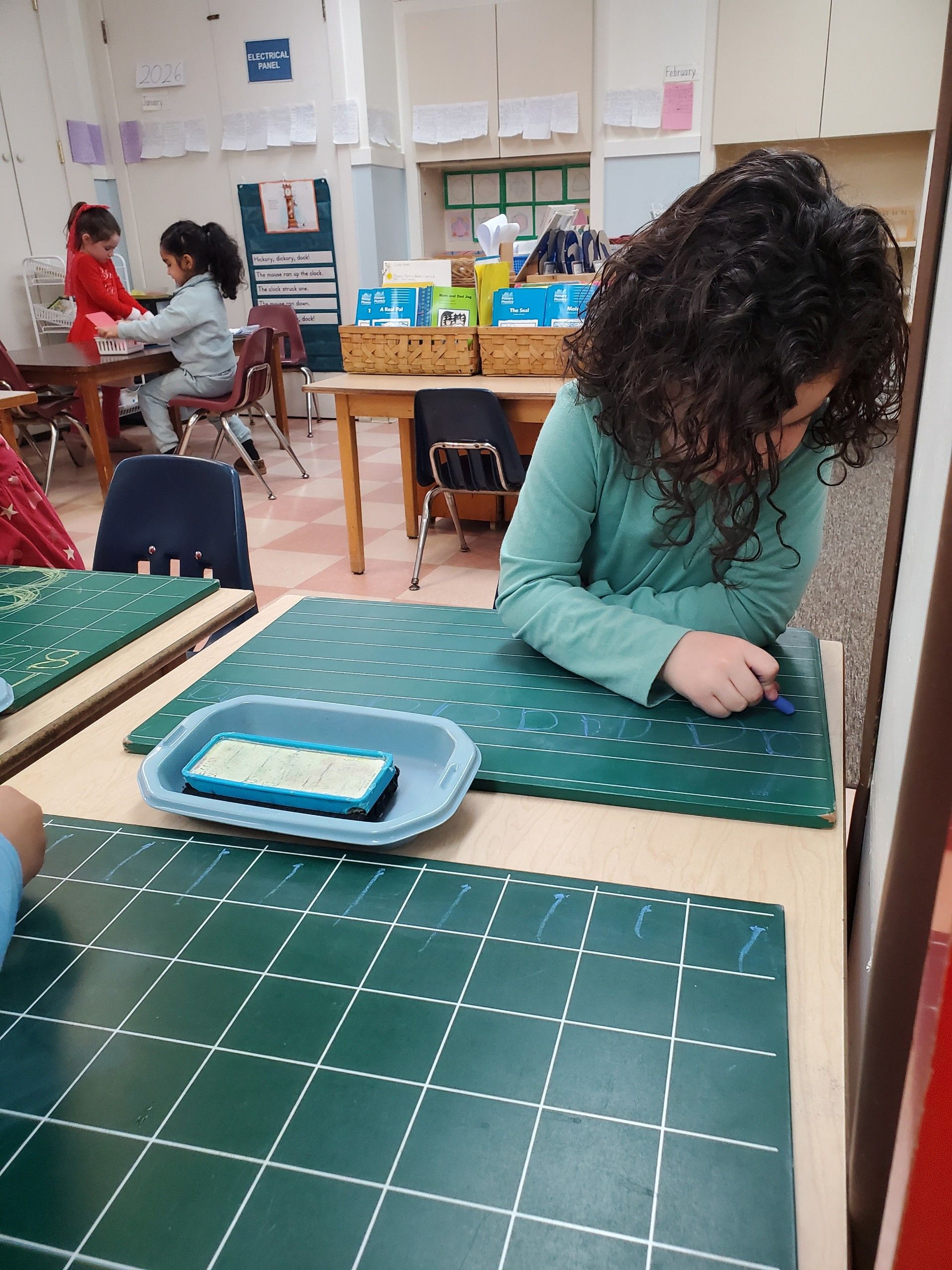
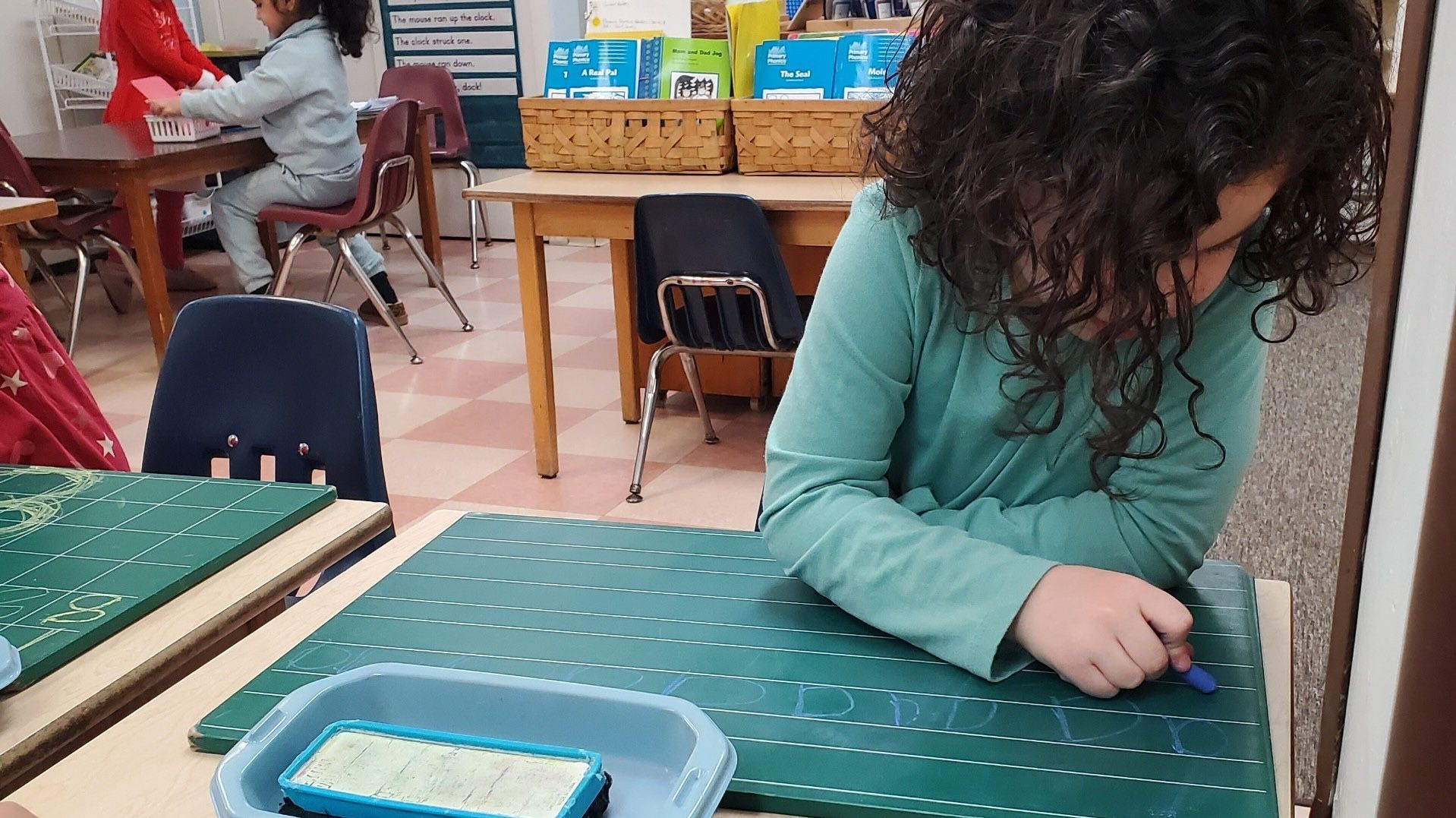
Handwriting, or penmanship—no matter what you call it—was likely a cornerstone of your own early education. However, pressured by time and modern content constraints, many conventional schools have abandoned explicit handwriting instruction. This shift is resulting in a generation of children who may never learn cursive and, in some cases, struggle to form legible printed letters. At Acorn Montessori School, we take a different path. We believe that handwriting is not just a relic of the past, but a vital cognitive tool for the future.
The Science of the Hand-Brain Connection
Scientific research consistently points to the importance of manual writing. Studies have shown that handwriting—as opposed to typing or tracing—guides preliterate children toward developing essential reading skills. Beyond literacy, direct instruction in handwriting offers several long-term benefits:
- Academic Success: Early mastery makes children better writers and spellers.
- Neural Development: High-quality handwriting has been linked to higher brain density and gray matter volume, suggesting that frequent practice aids neural processing.
- Modeled Learning: Research concludes it is critical for teachers to not only provide direct instruction but to actively model the correct way to form letters.
The Montessori Approach: Preparation and Practice
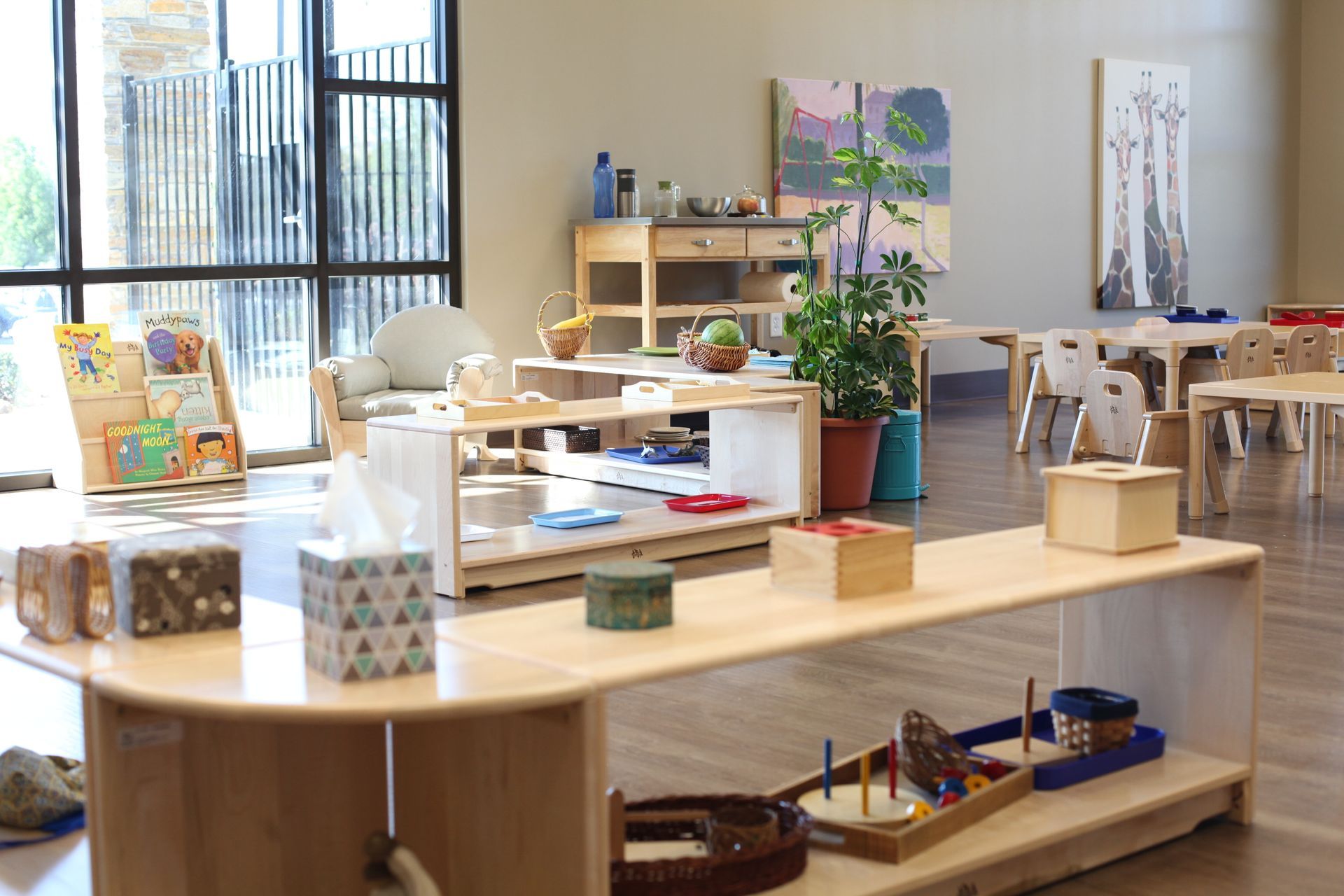
In our classrooms, handwriting is a critical component of a child's journey. Our curriculum uses a spiraling approach, indirectly preparing the child’s hand long before they ever pick up a primary pencil.
1. Building the Foundation (Toddler & Early Primary)
Very young children develop the muscles necessary for a "pincer grasp" through everyday Montessori favorites, such as the Knobbed Cylinders. These activities refine the fine motor movements needed to hold a writing utensil with control.
2. The Metal Insets
In our Primary program, children work with Metal Insets—wooden trays holding stencil-like shapes. By tracing these shapes and filling them with intricate patterns using colored pencils, children practice creating the straight and curved lines found in the alphabet. While it looks like a beautiful art activity, its primary purpose is to prepare the hand for the precision of writing.
3. The Sandpaper Letters
The Sandpaper Letters take this work a step further. Children trace grit-textured letters with their fingers while learning the corresponding phonetic sound. This multi-sensory experience (sight, touch, and sound) anchors the letter forms in the child's muscle memory.
Writing as a Tool for Discovery
Interestingly, Montessori children often begin to write before they read. Once they do begin reading, these established motor skills allow them to dive into literacy development without the frustration of struggling to form letters. In our Elementary program, writing becomes a daily necessity. During the three-hour morning work period, students record their research and discoveries in notebooks. Whether they are documenting the chambers of a fish's heart or practicing creative storytelling, the act of writing is woven into every subject.
Why Beauty and Flow Matter
When a child learns to form beautiful, fluid letters early on, the mechanics of writing become second nature. This allows them to focus their mental energy on expression and ideas rather than "belaboring over how to write a 'q'."
The best way to understand the impact of this unique approach is to see it for yourself. We invite you to visit our beautiful five-acre campus in Lebanon, NJ, to observe our students at work.
Ready to see the Montessori difference?
Schedule a tour today.