Are you new to Montessori? Have you had a child in our program for a while but find it difficult to explain the "Acorn magic" to friends or family?
This educational philosophy is more than meets the eye, and it can be easy to get bogged down in the details when trying to explain it. While our staff could talk about Montessori all day (and we often do!), we know it’s helpful for parents to have a succinct guide to learn from and share with others. Despite its popularity, there are many misconceptions about what happens inside a Montessori classroom. Here are the ten pillars that define the experience at Acorn Montessori School.
1. We follow the child.
At Acorn, we don’t teach the same skill to a whole classroom of children at once. Whether your child is in our Toddler, Primary, or Elementary program, we meet them where they are. We don’t see education as "cramming" identical information into every mind; instead, we cultivate joyful learning and independence. When children are allowed to learn at their own pace and explore their interests, they develop a deeper, lifelong love for school.
2. We value scientific observation.
Dr. Maria Montessori was a physician who used scientific observation to understand how children learn. Today, our Acorn guides continue this practice. They step back and watch the children, taking note of their progress and interests. This data drives our individualized instruction—ensuring your child is always challenged but never overwhelmed.
3. Deep knowledge of development informs every decision.
Montessori identified specific "Planes of Development," which is why we utilize multi-age classrooms. This structure allows younger children to learn from older peers and older children to reinforce their knowledge by mentoring others. Our guides also look for "Sensitive Periods"—windows of time when a child is developmentally primed to master a specific skill, like language or order.
4. The environment is the "Third Teacher."
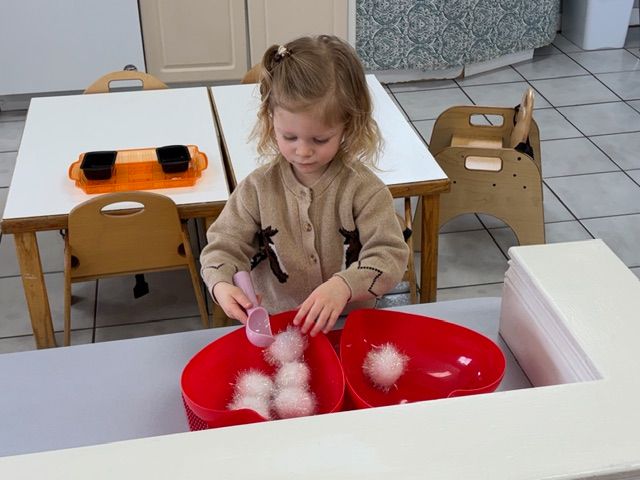
Our Lebanon, NJ campus is designed with intentionality. We believe a well-prepared environment is a better teacher than direct adult instruction. Our classrooms are neat, filled with natural light, and use natural materials rather than plastic. You will see living plants and animals that children learn to care for, fostering a sense of responsibility and connection to the world.
5. We utilize "Freedom within Limits."
A common misconception is that Montessori is "unstructured." In reality, it is highly structured freedom. Children choose their work, but they choose from a curated selection of lessons they have been introduced to. This empowers them to make decisions and manage their time—critical skills for future success.
6. Our guides are specially trained.
At Acorn, we prioritize high-fidelity Montessori. Our lead guides hold rigorous credentials in addition to their college degrees. This specialized training ensures they understand not just what to teach, but how to support the unfolding of each child’s unique personality.
7. We use autodidactic learning materials.
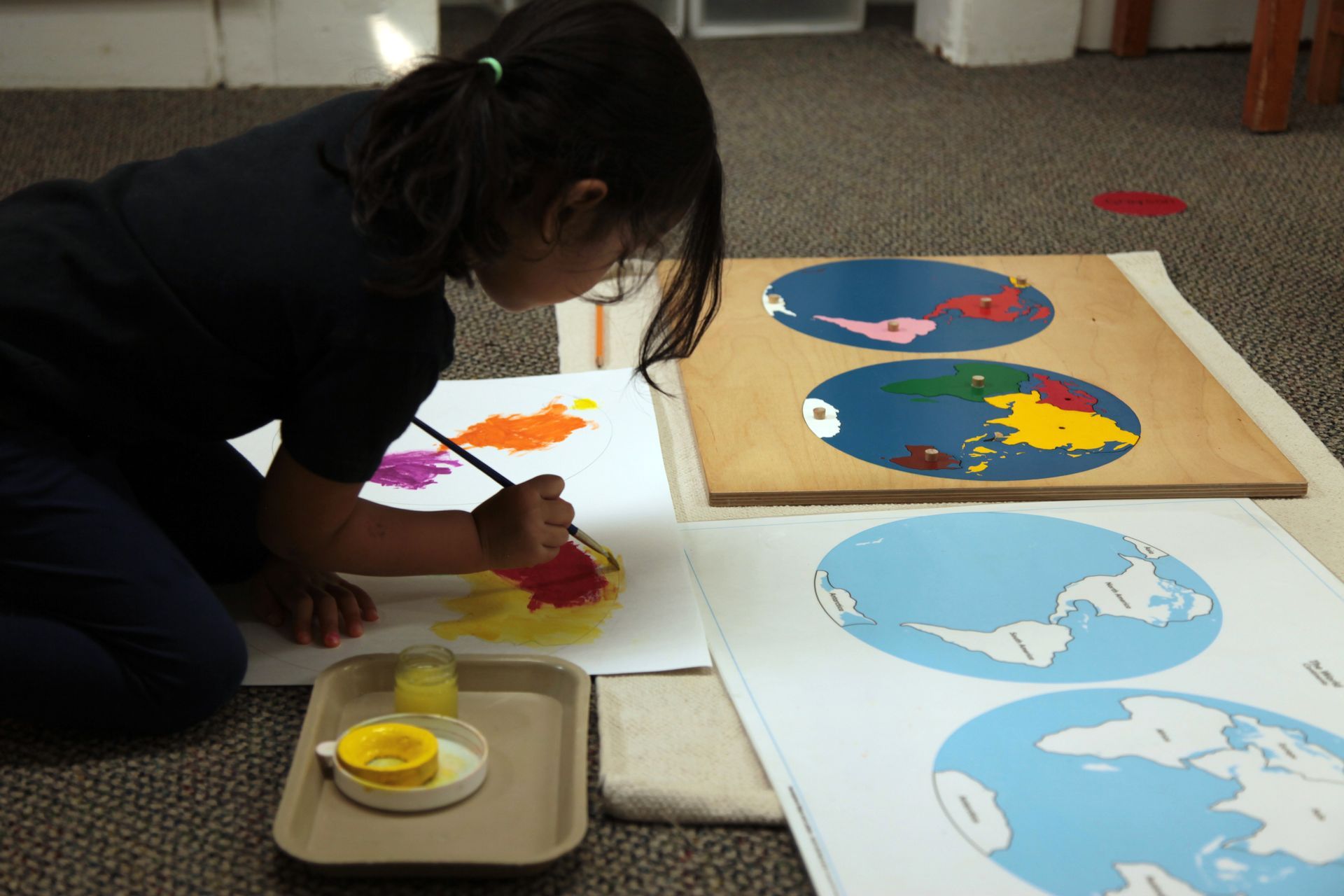
Our materials are "self-correcting." Most have a built-in "control of error," meaning if a child completes a task incorrectly, the material itself shows them the mistake. This allows children to solve problems independently without needing an adult to say "that’s wrong."
8. The "Whole Child" vs. Traditional Academics.
While Acorn students often achieve high levels of academic success in math and literacy, our focus goes beyond the balance sheet of grades. We educate the whole child: social-emotional intelligence, physical coordination, and character development are just as important as reading and writing.
9. Montessori extends beyond the classroom.
The principles of Montessori—respect, independence, and purposeful work—can be applied at home. We encourage our families to bring these values into their daily lives, helping children become contributing members of their households just as they are in our school community.
10. We honor tradition while embracing modern research.
We preserve the proven methods that have worked for over 100 years. However, we also stay informed on current educational research. At Acorn, we bridge the gap between a century-old legacy and the needs of the modern child.
Hopefully, this article has given you a clearer understanding of the Montessori philosophy and what makes our approach at Acorn so special. We invite you to see these principles in action by visiting our campus. Click here to schedule a tour of Acorn Montessori School.