

Our Mission
Acorn Montessori’s Mission is:
- to provide an enriching Montessori-based education that fosters the child’s innate love of learning, creativity and wonder;
- to cultivate dynamic partnerships between family, school and community;
- to celebrate the human spirit and honor the diversity among us; and
- to inspire and impact society through academic excellence and service.
Acorn Montessori is an early childhood, independent Montessori School for children ages 12 months through Grade 6. We are affiliated with the American Montessori Society, and a member of the New Jersey Montessori Administrators Council.
Acorn has assembled a dedicated Montessori faculty balanced by academic, art, music, foreign language, yoga/mindfulness and education specialists and professionals. Each classroom is led by a Montessori-certified teacher, supported by assistant teachers.
Our Elementary students may continue their educations at public or private schools, assured of well-rounded and developed study skills and knowledge. Students leave Acorn with a sense of self-confidence and comfort in tackling a new environment and expectations.
Our History
On September 5, 1984, Acorn Montessori School welcomed ten eager children into their carefully prepared classroom, the Fellowship Hall at the Allerton Methodist Church. Clinton Township Mayor Ted Savage attended the opening day ceremony, planting an oak tree to symbolize how little acorn seeds grow into strong and glorious oaks. By the end of the first year, there were 24 children, ages three to six in the class.
Enrollment reached fifty by the end of the second year, and Acorn moved south on Route 31 to the Karma Restaurant building, formerly a farmer’s home that had been displaced by Round Valley Reservoir. After a summer of scrubbing, painting and ordering new furniture and materials, Black Oak and Golden Oak were ready in the fall of 1985. As enrollment increased, new classrooms were added, White Oak in 1990 and Red Oak in 1991.
In September 1994, ten dogwoods were planted to celebrate our tenth anniversary along with a ribbon cutting ceremony to inaugurate the new Toddler House and Enrichment Barn (Greenhouse). At that time, Acorn had a staff of 20 and 154 children. In September 1999, Acorn grew to include the Great Oaks Elementary Class.
Over the years, Acorn Montessori School has strived to develop in each of its students a love of learning and to create an environment that nurtures the child at a time in their young lives when he or she absorbs knowledge naturally and enthusiastically.
“Free the child’s potential, and you will transform him into the world.”
—Maria Montessori
Our Campus
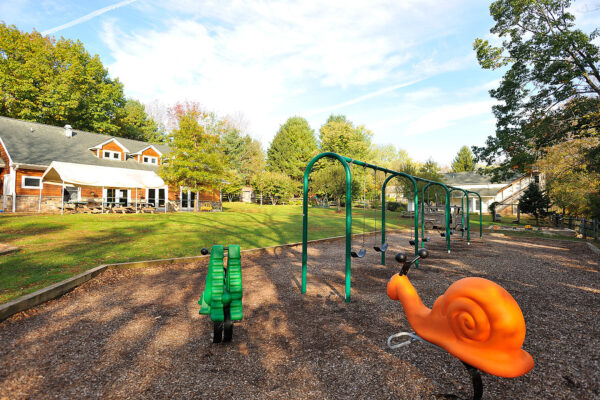
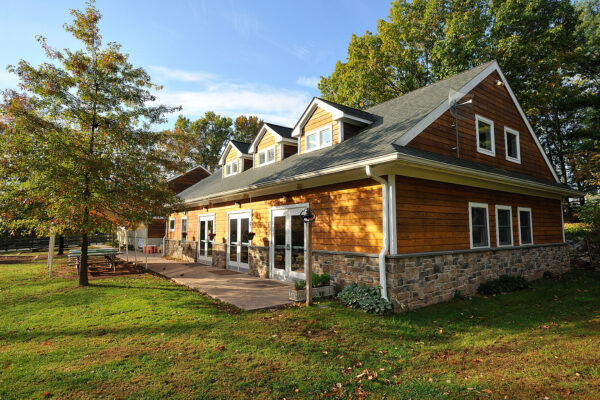
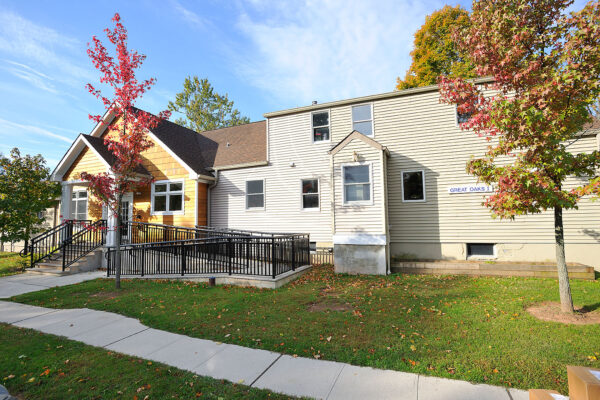
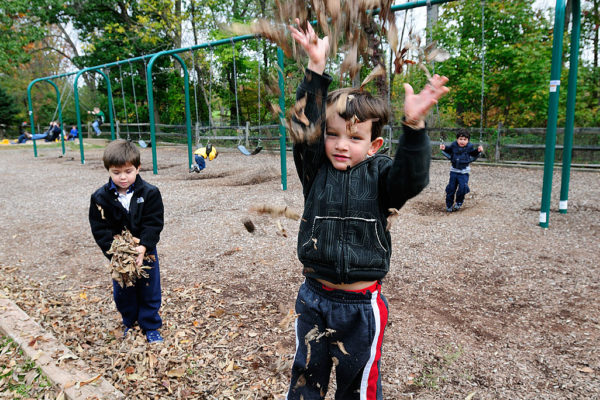
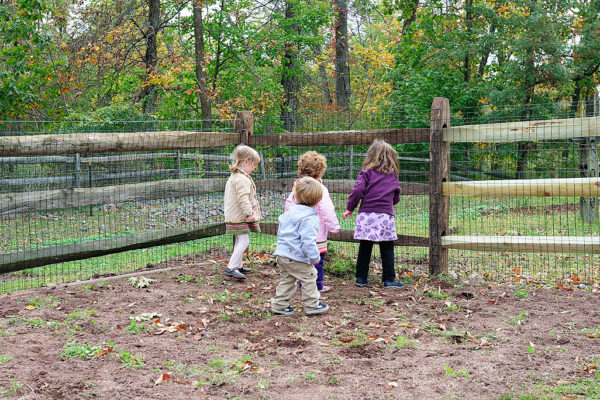
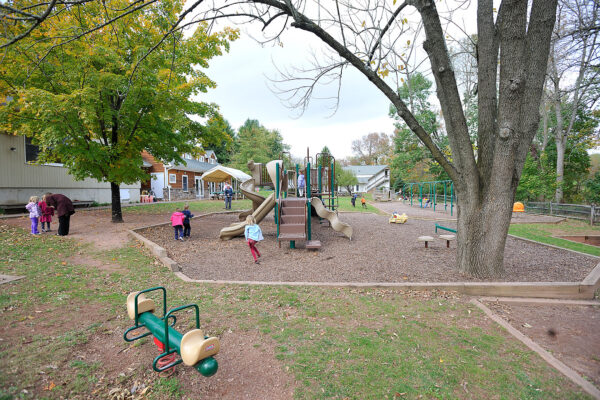
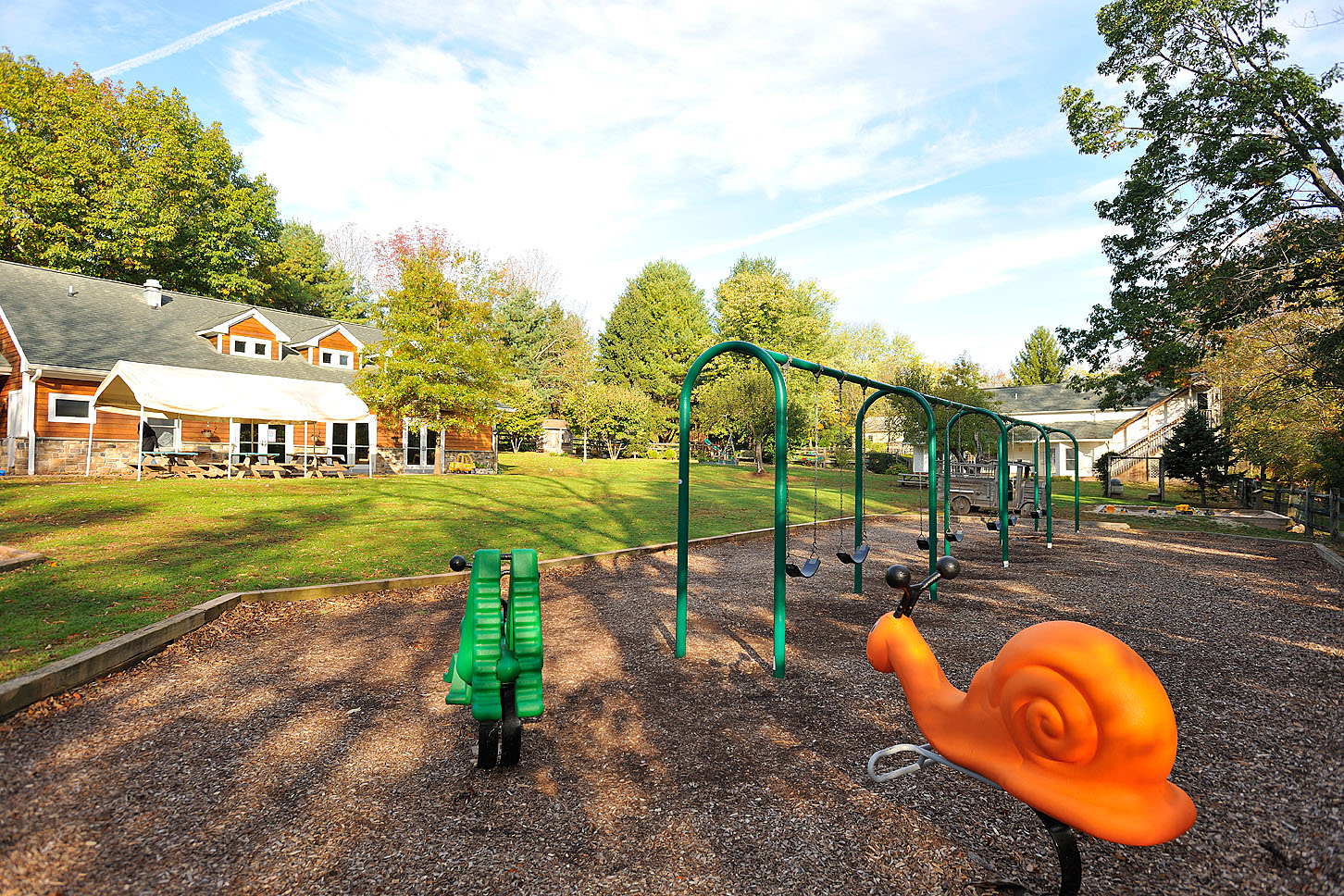
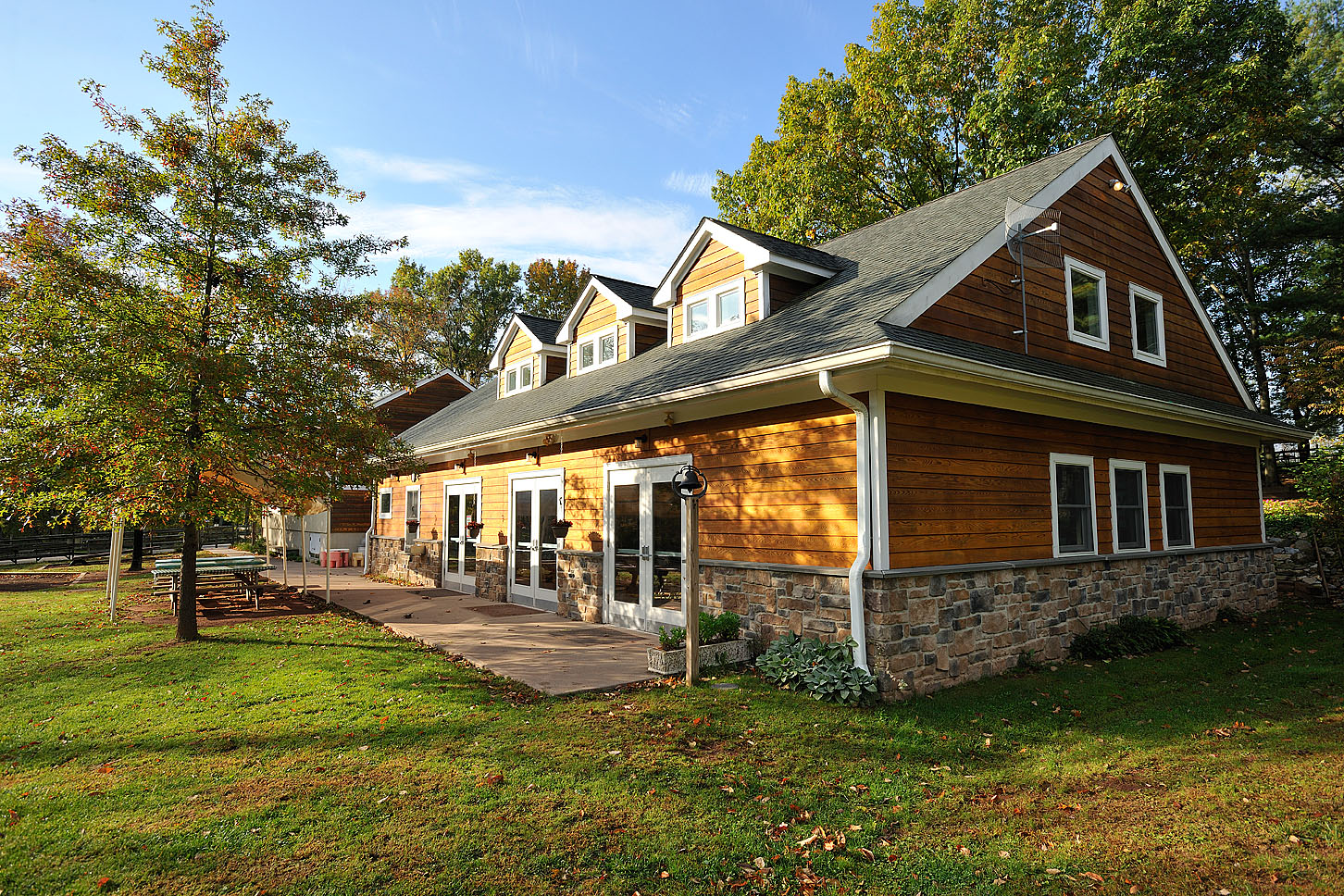
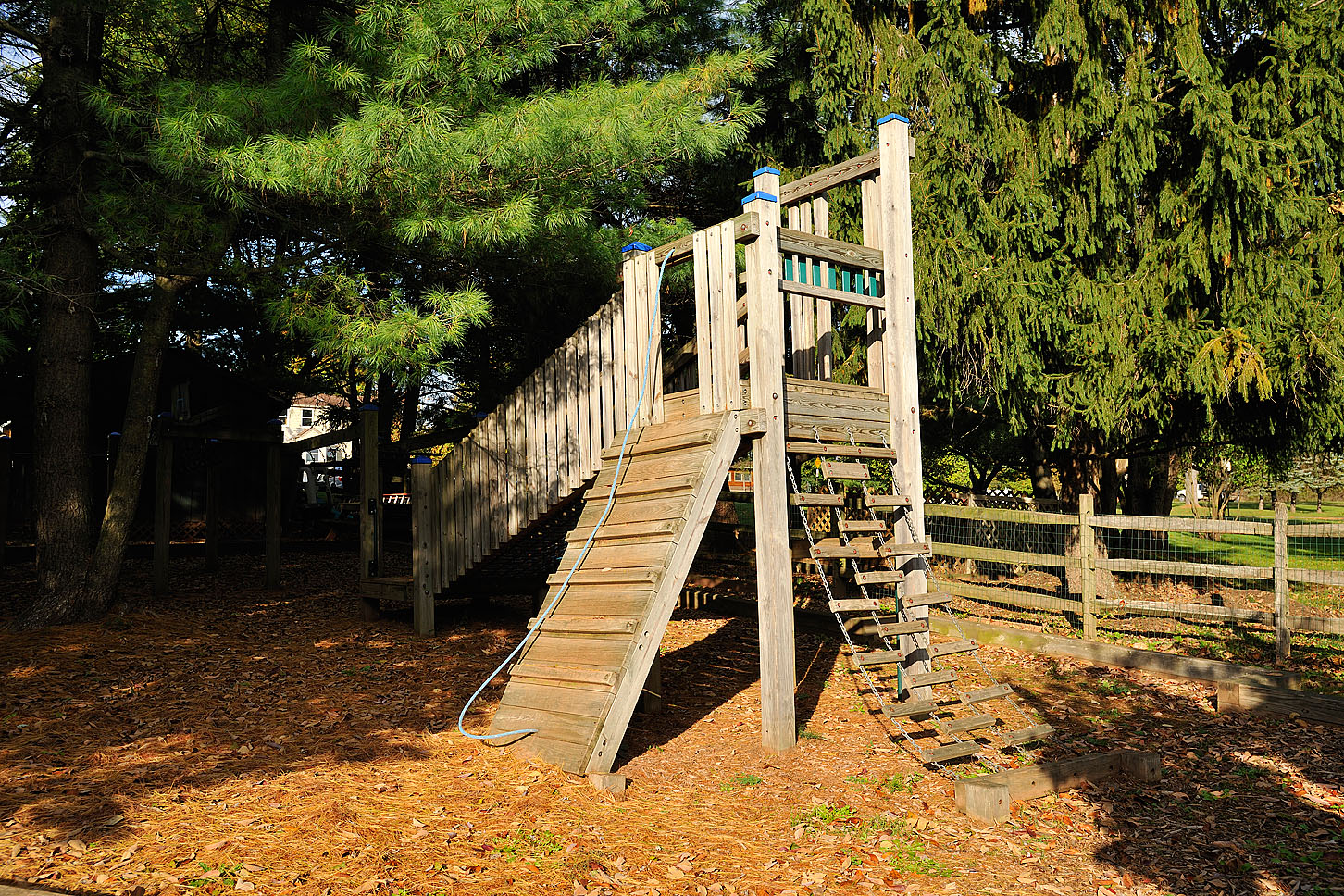
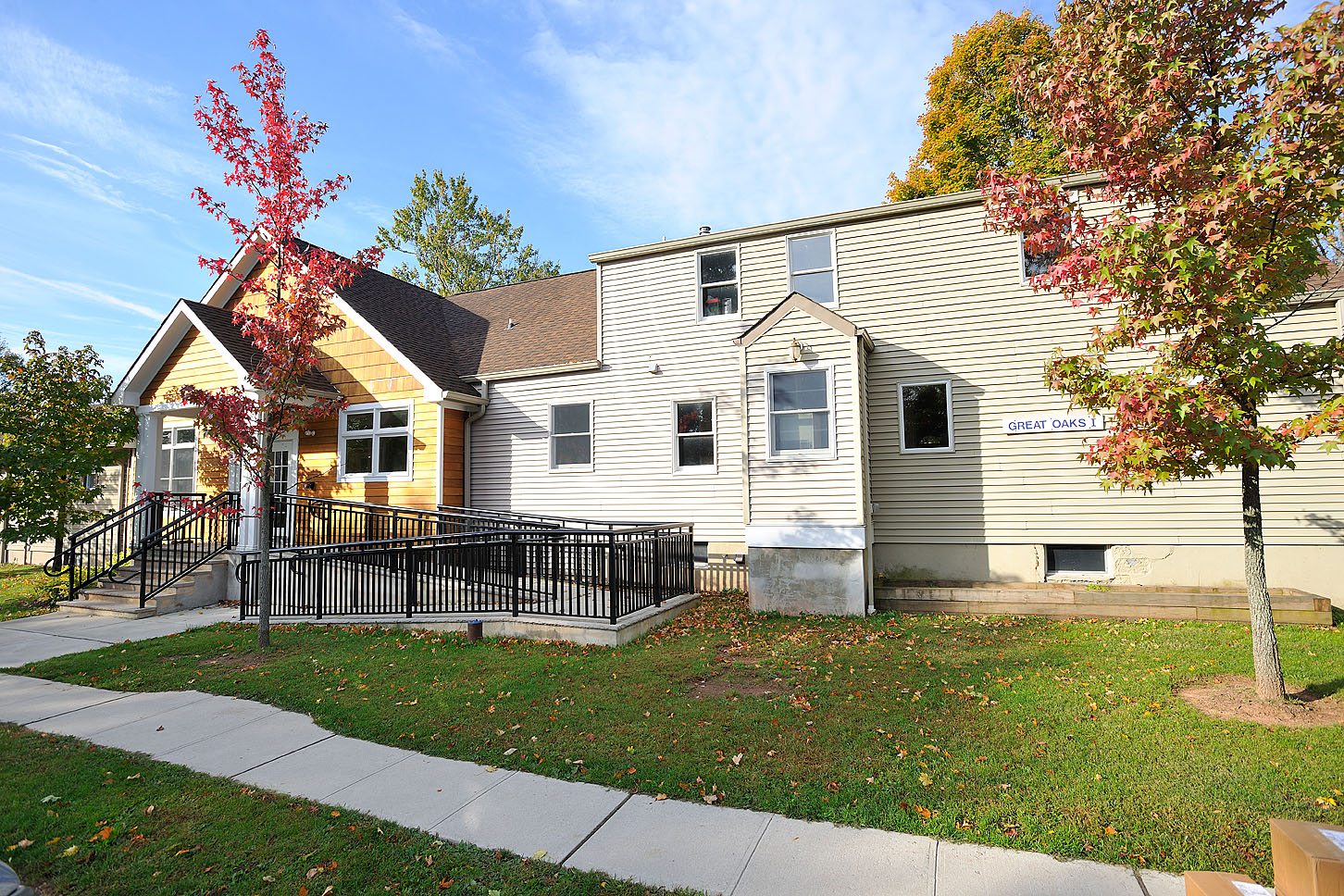
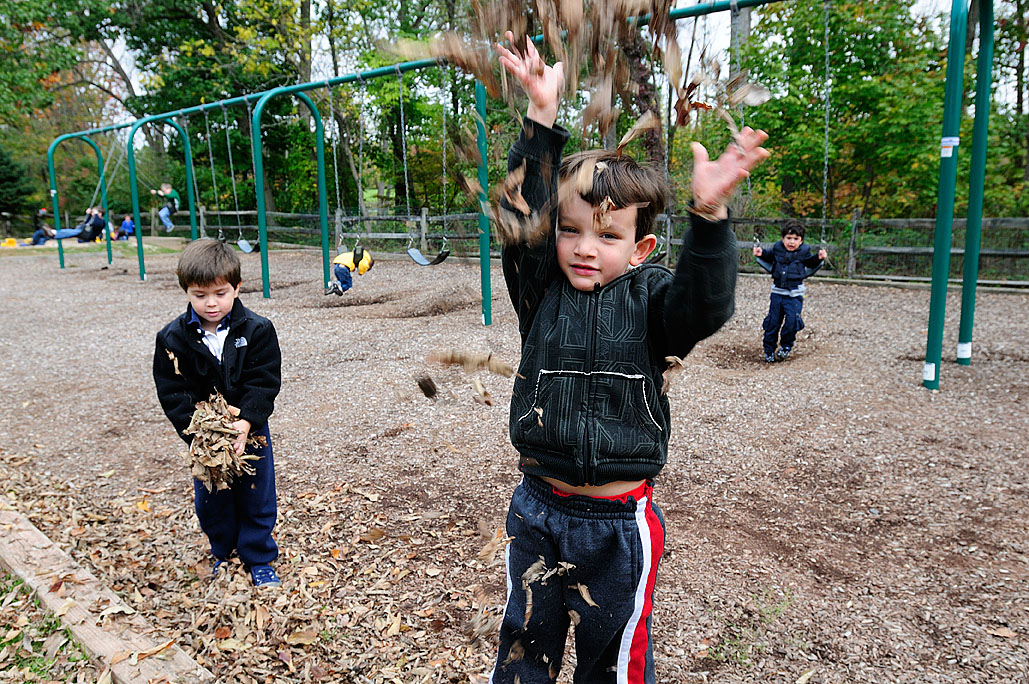
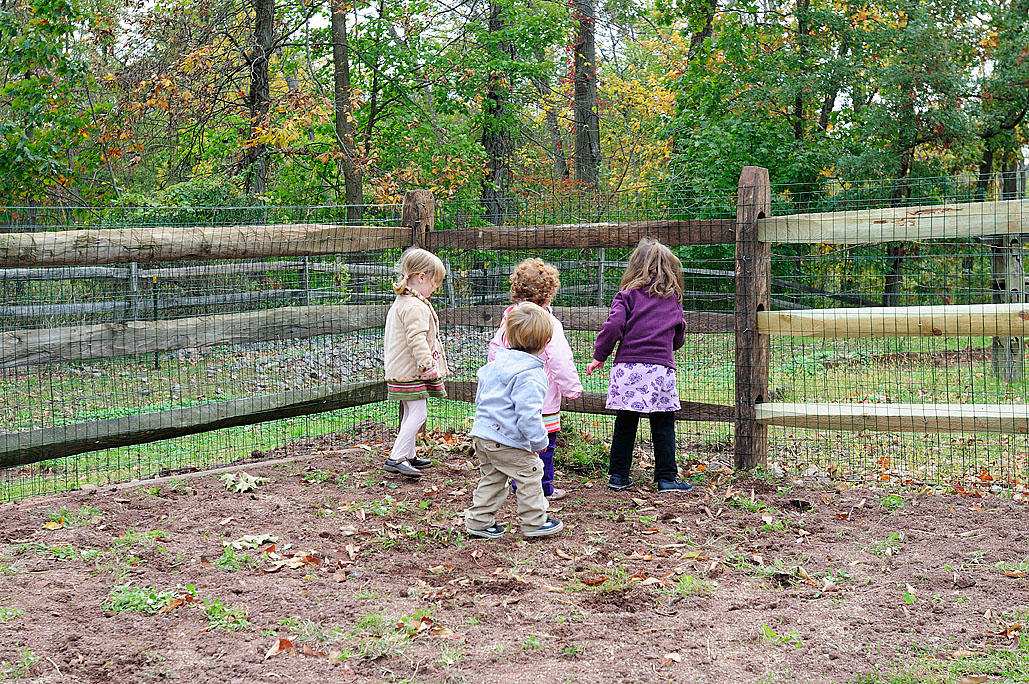
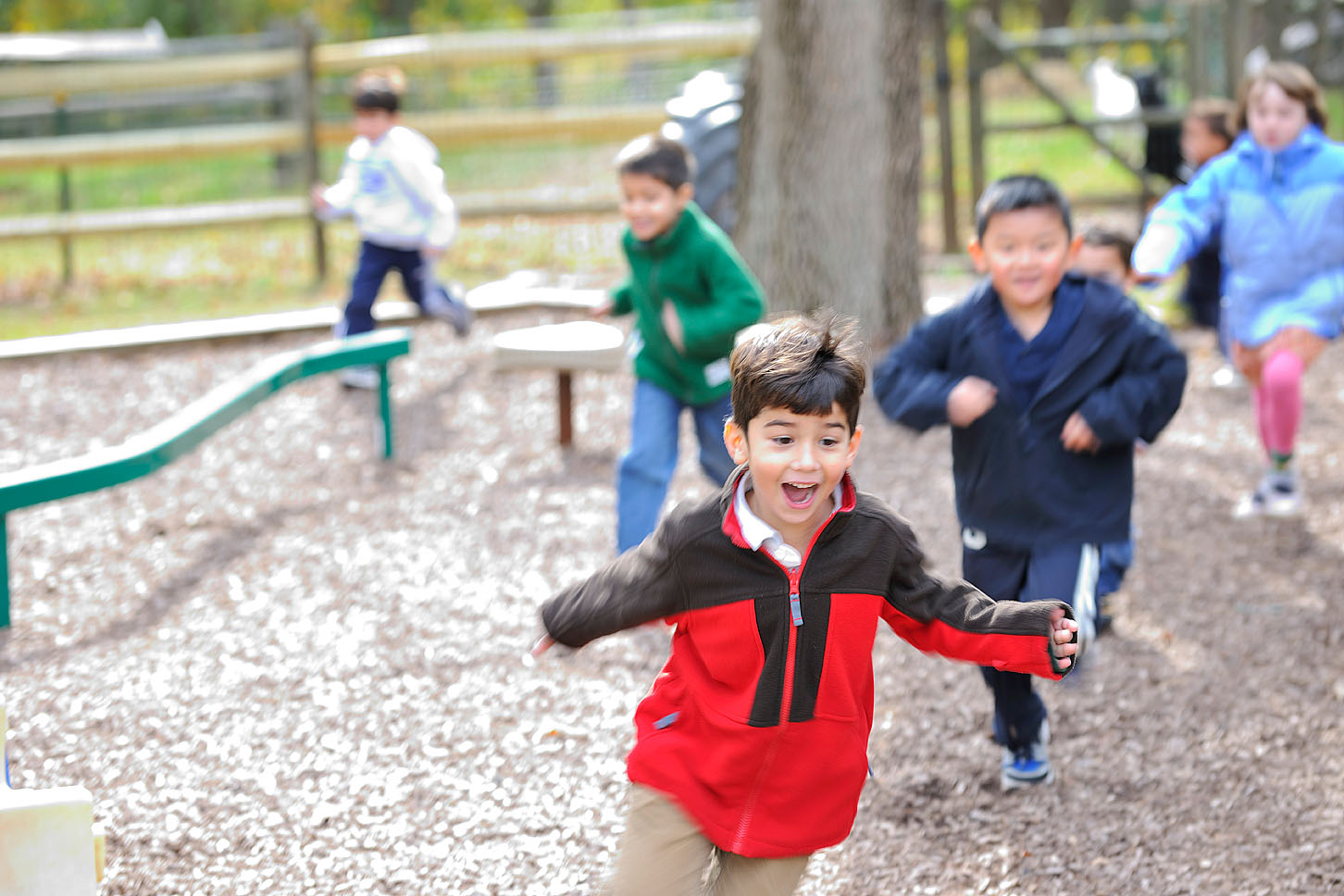
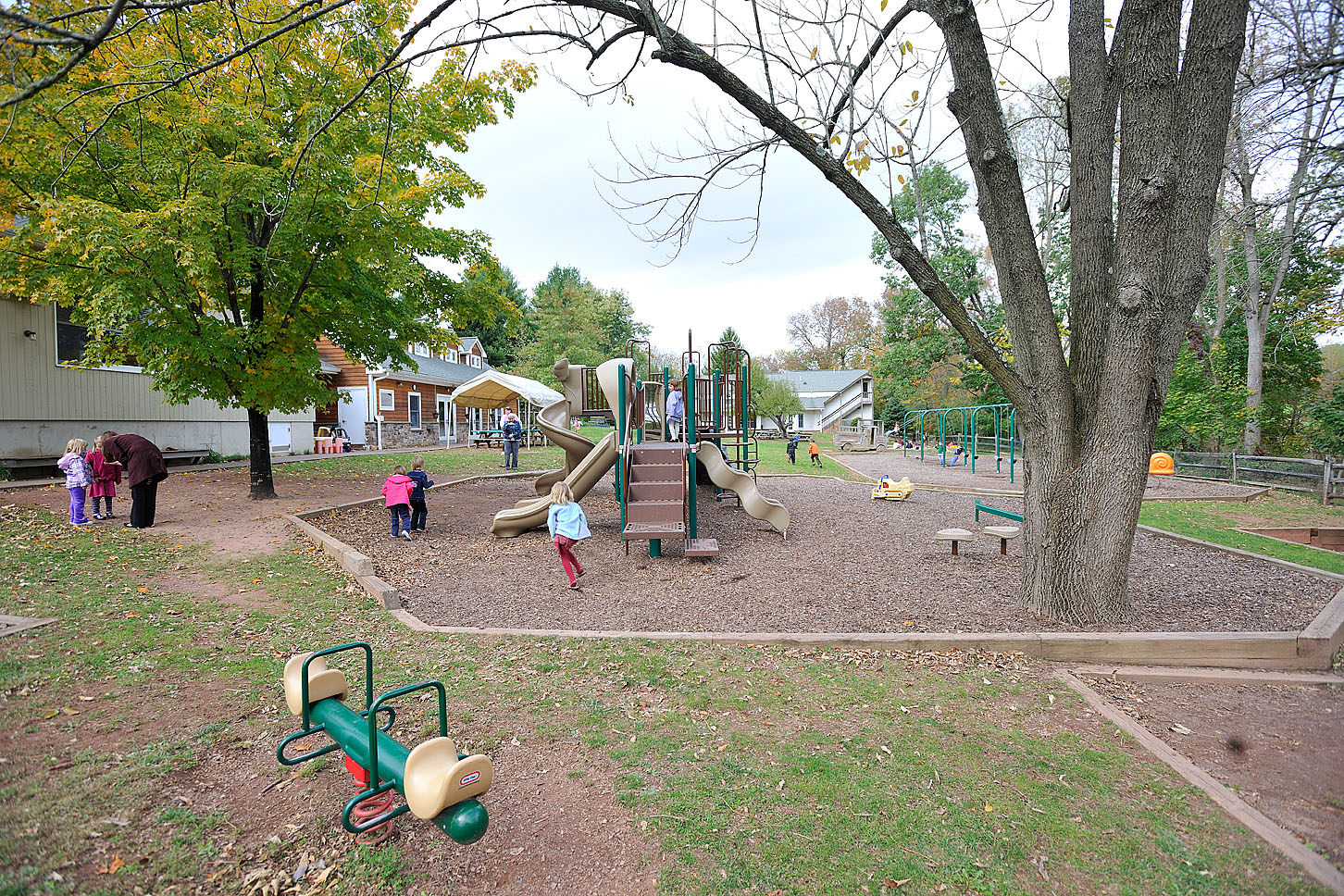
Acorn Montessori School is located in west-central New Jersey in beautiful Hunterdon County, near the town of Clinton, and is approximately one hour from New York City and Philadelphia, PA. The school has five country acres with classrooms spread throughout 5 buildings. There are playgrounds for each level, (toddler, primary, and elementary) along with flower and vegetable gardens.
The toddler buildings house children ages 18 months (or confidently walking) through three years. The Children’s House has three primary classrooms for children ages 3 through kindergarten, as well as a multi-purpose room. The elementary building has two lower elementary classrooms and one upper elementary. The administrative offices are located in the Children’s House.
Acorn Montessori School is a 501(c)3 organization.
Non-profit Tax ID No. 22-2553331


Schedule a School Tour!
Experience the difference through a personalized tour of our campus and see the children at work in the classroom and outside in our extraordinary surroundings.